Showing posts with label bicycle. Show all posts

Sunday, April 16, 2023

The Scenic Toronto Islands

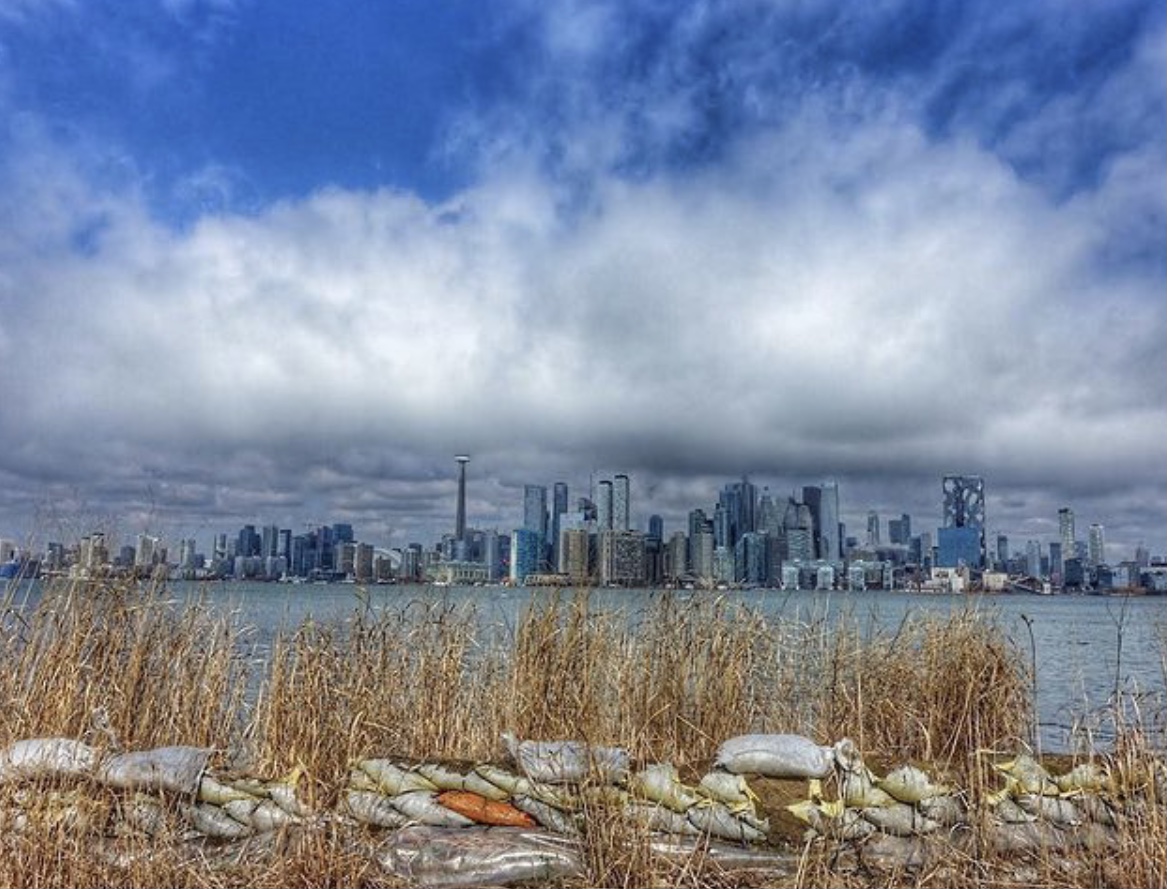
Bicycling the Toronto Islands (with Toronto Bicycle Tours) in the off-season couldn’t be more idyllic. This scenic chain is a short ferry ride from downtown and is car-free. 


Among the many discoveries I made: 19th century St. Andrew’s Anglican Church. The stained glass, visible also from the exterior, is quite impressive. Interestingly, it was moved to this current scenic location without anything breaking!


continue reading "The Scenic Toronto Islands"

Sunday, November 24, 2019

Photos: Cascais, Portugal

In the Greater Lisbon area, Cascais is a standout for its beaches fronting the Atlantic that can be accessed by bicycle. But downtown Cascais is an epicenter for museums of many stripes, including the Paula Rego museum designed by the Portuguese star architect, Eduardo Souto de Moura. Don't miss the Pousada de Cascais that was built in the historic citadel and blends the ancient with the ultra contemporary.


continue reading "Photos: Cascais, Portugal"

Saturday, August 27, 2016

New Green Spaces on New York's Governor's Island

What if I told you that a five-minute ferry ride from Manhattan allows you to climb landscaped hills for scenic views, relax in hammocks set amid wild brush, zoom down an almost 60-foot slide, and rent bicycles to a waterfront picnic spot? This is what visitors find on Governor's Island that sits off the southern tip of Manhattan. And, yet, so many New Yorkers never make it to these green, placid shores. The island recently opened up a newly-landscaped, 10-acre sector with a cluster of four hills, proving awe-inspiring views of the lower Manhattan skyline as well as art and entertainment options: think the slide quadruplets, and sculptural installations. The photo collage below is what I found on Governor's Island on my most recent visit where, of course, I criss-crossed the island on bicycle. There's no excuse for not hopping on board the ferry for an afternoon or a day away from the city's chaotic streets.


continue reading "New Green Spaces on New York's Governor's Island"

Thursday, February 19, 2015

My Favorite Car-Free Islands in Europe

Who doesn't love islands? But I'm quite particular, favoring those that harken to an earlier time, when cars didn't exist as the primary means of transportation. Yes, I search out car-free islands because it's these landscapes where I can feel free to explore in a pollution free environment, without the squealing of brakes or the honking of horns, where I can depend on human-powered locomotion to visit historic sites or just peacefully prowl around coves, hamlets and green spaces. You never know what you'll discover when you're not in a rush.

I recently wrote an article for National Geographic Traveler - Intelligent Traveler  on my favorite car-free islands in Europe.

Comino Island - Photo by Bill Kasman, Flickr

These are some of my finds on my top five:

• Buyukada, Turkey Grand villas, some with gingerbread detailing, line the lanes that weave down to the south end of the island, which is largely draped in emerald hues from dense pine forests.
•  Hydra, Greece - A two-hour climb brings hikers to the Monastery of Prophet Elias that hovers above the capital. A much shorter jaunt is the coastal walk to Vlychos Beach, an ideal destination for families.

•  Veliki Brijun, Brijuni National Park, Croatia - Dinosaur footprints, such as the imprint of large carnivores similar to Theropods, have been discovered all over the island.

•  Ile d'aix, France - The northeast portion is especially lovely, blanketed with thick pinewoods and rimmed with two jewels: Baby Beach and Yellow Sands Beach. 

•  Comino Island, Malta - Hiking through the wildflower-speckled landscape, a path courses to an isolated, rubble-ridden area, a perfect setting for the 17th century St. Mary's Tower that withstood sieges far beyond what the archipelago's other towers tolerated.

continue reading "My Favorite Car-Free Islands in Europe"

Monday, November 17, 2014

Portugal's Centro Region in Pictures

Though I visit Portugal pretty much every year, there's always something -- or more than something -- to be discovered. On my latest trip to the Centro region, I spent one day feeling like I stepped into Hogwarts, the fictional school of magic created by J.K. Rowling in her Harry Potter novels.  As I roamed the ornate halls and library in 13th century Coimbra University, passing some students garbed in the traditional long black cape, I found it surprising that I never realized that this university may have  provided Rowling, who once resided in Portugal, some inspiration.

This region is brimming with a rich diversity of culture. Not only is it home to one of the oldest universities in the world, but a section of the coast is lined with a dense pine forest; abandoned stone villages have been transformed into charming accommodations; and a network of bicycle paths attract cyclists, and joggers, as well as parents pushing strollers and older citizens just out for a stroll. The accommodations range from the luxe and contemporary, such as the Areias do Seixo Hotel and the Cooking and Nature Emotional Hotel to the traditional (Hotel Quinta das Lagrimas) that dates back centuries and protects a spacious garden. The quaint cobbled village of Obidos is perched on a hill ringed by fortifications while the Santa Clara Monastery offers up its archeological finds for the visitor to inspect.  My short YouTube video slideshow reveals some of my finds in this lovely region.


continue reading "Portugal's Centro Region in Pictures"

Thursday, June 19, 2014

Taiwan In Pictures

With hot springs beckoning bathers, serrated mountain peaks looming over placid lakes, and pebbly beaches fronting calm bays, Taiwan is a nature-lovers paradise. Whether it's Sun Moon Lake, the country's largest such body of water, or Taroga Gorge tiny pedestrian bridges lead to the interior that's peppered with red-roofed shrines and tumbling waterfalls, Taiwan is a magnet for those seeking adventure on all levels, from thrill seekers to those who prefer things more on the tame side. Cyclists will find level paths along waterfronts, such as the Keelung  or  Dongsham rivers, where they'll want to stop for a picnic at a scenic viewing pavilion.

Sounds of cicadas
Steam swirls above Beitou Springs
Misty veil obscures


Check out my short YouTube video slideshow for a window into Taiwan's natural side. 


continue reading "Taiwan In Pictures"

Wednesday, March 7, 2012

Denmark: A Cyclist's Paradise

When I travel the world, I have a preference for active travel, whether hiking, walking, bicycling or Nordic skiing, to name a few. It's not only a way to acquire an intimate contact with the land and its people, but I can stay in shape while having fun doing it. So, with the rising obesity rates in the U.S. -- among children, the obesity rates have tripled; and among adults, almost 40% are considered obese -- I wonder how some countries get their citizens to work out. Most notably I'm thinking about Denmark. Sure, when we think bicycle-friendly countries, The Netherlands always come to mind. But, in fact, after Holland, Denmark has the next highest rates of cycling in the world. I've bicycled all over Denmark and have found it a pleasure to ride in a country where the bike is king. I had little worry that a car would slam into me from the rear or cut in front of me as it made a right turn. I had no problems taking my bike on the trains nor any problem navigating Copenhagen's city center. Dedicated bike trails network across the country that has the most cyclists in not just Copenhagen but also Denmark's two other big cities: Odense and Aarhus. For example, Denmark is networked with over 6,000 miles of cycle routes and the city of Odense is covered with some 300 miles of bike paths. In Copenhagen, some 36% of people get to work by bicycle, compared with 29% by car and 28% by public transportation.

So what is Denmark doing right and what are we doing wrong? Some would say that Denmark has such a small population that it's easier to get people to bicycle. Yet, even in cities, like New York City where I live, cycling is not all the rage. And, it's hardly safe. In fact, I have long stopped biking in Manhattan because of near collisions with cars, trucks and taxis. The bike lanes are not separated from traffic, which means anything goes. (Cars typically park or disgorge their passengers in bike lanes.) It's not easy to park your bike safely should you want to shop, nor can you easily find a place to pump up your tires, grab a drink of water from a fountain or find a bathroom that a cyclist can easily drop by.

Then there's the problem with the out-of-control cyclists, most notably bike messengers or delivery people who ride on sidewalks or the wrong way on streets, or run the red lights (just as many cars do) which has resulted in a significant number of pedestrian accidents.

And, of course, there are plenty of cities in the U.S. -- Tampa, Florida, for one -- where cars rule and where even pedestrians take a risk crossing the street. No wonder it's hard to get people bicycling.

In Denmark, it's not just kids; people in all age groups cycle, from young to old. And they don't just cycle for pleasure. It's a way of life, whether they're going shopping or heading to work. And, the Danes don't cycle just because it's healthy or because it's good for the environment. Rather, getting somewhere by bicycle is faster and more fun than doing so by another method.  Denmark has realized that cities that are bicycle friendly are people friendly and infrastructure that encourages this also encourages social interaction among its citizens, benefits the economy because workers are not stuck in traffic jams, and makes for a more attractive urban environment.

 Here are some things you'll find in Copenhagen, Odense, and/or Aarhus, in particular, that encourage cycling:

1. Bicycle parking facilities are conveniently located near shops/main train stations; are covered; well lighted; have video surveillance cameras as well as bathrooms, water fountains and air pumps.

2. Bicycle racks are also conveniently located, with some installed beside kindergartens. 

3. At intersections, bike lanes are painted with a bright blue bike icon to alert motorists.

4. Children not only learn how to ride a bike before first grade but safe cycling is part of some school curricula.

5. Bike lanes are preferentially de-iced and cleared of snow so that the citizens can bicycle in the winter.

6. Trouble-shooters are employed to traverse bike lanes and determine and report if there are potholes or other surface problems.

7. Cycling marketing/promotional campaigns are not just about print and television ads, but rather are quite innovative involving bike touring programs for seniors, having parents test out bike trails to haul their kids, partnering with businesses by giving them a fleet of bicycles their employees can use during the day for short business treks, giving out complementary bicycle lights that don't use batteries as well as seat covers and water bottles.

8. Copenhagen has an interesting way of dealing with people who illegally park their bicycle: The city employs what's referred to as Bike Butlers who pump up the tires and oil the chain of the offending bicycle. (It's seems to have been more successful than other punitive actions.)

9. Some traffic lights are timed to coordinate with the speed of cyclists, rather than cars, and there may be a special bike traffic light.

10. A GPS system is being utilized so that a stolen bicycle can be tracked.

11. Copenhagen has plans for bike-through shopping facilities; a new bike sharing program; more and wider cycle paths, including those where the car stop white line is way behind the cyclist which is favored when the light turns green.

12. Denmark promotes cycling by integrating the cooperation of governmental and non-governmental agencies and organizations as well as private companies. It works because everyone knows that a city that  respects their cyclists and where cyclists respect other citizens is a city that's more livable for all.
continue reading "Denmark: A Cyclist's Paradise"

Sunday, July 24, 2011

Bicycling Four Rails-to-Trails

As I mentioned in a previous post, I took a trip to four of the six states that I somehow never visited. In each state, I stopped in one city to bicycle the length of a rail-to-trail. Here's what I found in my wanderings in Nebraska, Kansas, Oklahoma and Arkansas:

The Keystone Trail - Omaha, Nebraska

This trail is very well used not just by cyclists, but also parents pushing strollers, families walking with kids in tow, joggers, and bladers. Having a well-maintained trail so close to downtown certainly motivates members of the community to get into a fitness mode. And, though I didn't feel far removed from my urban environment -- a network of highways were withing sighting distance and when I neared the airport jets roared overhead -- the trail allowed me to get "in the zone" as I pedaled parallel to the rippling Papio Creek, past the sprawling lawns of the University of Nebraska at Omaha and St. Mary's campuses, and the small copse of shade trees in Esther Pilsner and Democracy parks. Tall, delicate grasses waved beside the trail while plump clouds bumped up against each other as they drifted above. With Missouri River flooding that has affected Omaha, it was no wonder that part of the trail, at the Bellevue Loop, was closed.


The Landon Nature Trail - Topeka, Kansas


This sun-dappled mostly dirt/crushed stone trail literally starts smack in the city (right beside Brown v. Board of Education National Historic Site) and cuts through agricultural lands. It couldn't be more convenient but it wasn't swarming with cyclists or walkers because I was bicycling in the middle of the workday. And, though the entire almost 13-mile peaceful trail is technically open, the last couple of miles is so thick with gravel and stones and overgrown with weeds, that I had to turn around. What I found on my tranquil journey were expansive farms growing corn, alfalfa and soybeans, colorful moths fluttering in front of my face, tall cottonwood and ash trees and a brilliant display of wildflowers.


Osage Prairie Trail - Tulsa, Oklahoma


Railroad fans will especially enjoy cycling this paved path that has a reproduction of an original mileage marker and Osage Prairie signs that are replicates of railroad crossing signs. This path also crosses over several different types of bridges, including an original trestle bridge constructed of core 10 steel and another that's a plate-girder type. But it's not just railroad fans that will be fascinated by this trail that provides scenic views of the Tulsa skyline at the trailhead, but also birdwatchers and nature lovers. That's because the trail courses through a prime birding area, according to the National Audubon Society. Hummingbirds and butterflies are attracted to the candy red trumpet creepers while towering pecan, walnut and oak trees line the trail. When I cycled this path, many a creature crossed in front of my bike, including a tortoise, a weasel and a black snake. A former railroad car transfer station at the end of the trail in the town of Skiatook has been transformed into Central Park with its boldly-colored waterpark, curvy lake, blooming flowers and shaded benches. It's so well designed that the entire community, young and old alike, is attracted to this relaxing venue.

Arkansas River Trail - Little Rock, Arkansas

You're never far from the river along this trail that travels along both sides of the waterway that separates North Little Rock from Little Rock. After I started out with views of the old State House and Petit Rouge, the rock that gives the city its name, my trek became a little more exciting than I anticipated because I ended up cycling on the lone day that week when the city was hit by a violent thunder storm with torrential rains. Instead of heading indoors, I continued cycling -- this was the only day I had allotted for this trip so I didn't see an alternative -- until the rain impaired my vision. Once I pulled off to the side of the road, lightning struck a transformer 20 feet away, sending sparks flying in all directions. I immediately got back on the bike but, again, was forced to bail out and, coincidentally, lightning struck a tall tree directly across the road. I finally took shelter with half a dozen other cyclists in a nearby open-air pavilion where we waited it out. Once the storm abated, I continued along the path, passing tall red-tinged bluffs, an old quarry, the lush Emerald Park (a good mountain biking and hiking venues), the massive pedestrian-only Big Dam Bridge, and the spacious Murray Lock & Dam Park with its well-tended and densely forested sections.
continue reading "Bicycling Four Rails-to-Trails"

Tuesday, July 5, 2011

Bicycling Rails-To-Trails in the U.S.

Last year I sat down with a map of the United States and realized that, despite all my traveling, I somehow missed six states. Who knew? And, looking at the map, I saw that they all fell down a vertical line that made a little sweep to the right at the base. The states are: North Dakota, South Dakota, Nebraska, Kansas, Oklahoma and Arkansas. My idea was to do a different sort of trip to hit all of these: I would take a Greyhound bus from north to south and, in each state, bicycle a relatively long rail to trail.

But, because of miscommunication on the ground with the ND tourist board, I had to nix that state. And, there was no point in going out of my way to visit SD without also hitting the north. (North and South Dakota will have to wait until the winter when I cross country ski a rail-to-trail in both states.) That left four states. I just returned from this trip that was full of adventure, including almost being hit twice by lightning in Little Rock. Here is my pre-trip interview with the Rails-to-Trails Conservancy that is the not-for-profit advocacy group for converting old, abandoned railroad beds to pedestrian/bicycle lanes. My next post will be about some of the highlights from this journey.
continue reading "Bicycling Rails-To-Trails in the U.S."

Monday, April 19, 2010

Cycling in Djerba, Tunisia

Many, including myself, have come under Djerba's spell. Perhaps even Ulysses. After all, this Mediterranean island has long been suffused with mythology. In Homer's Odyssey, Ulysses and his crew were said to have been seduced by the sweet fruit of lotus flowers -- most likely it was a fermented beverage that intoxicated them -- that they had difficulty heading back to their ships. No wonder this isle is sometimes dubbed the "Isle of Forgetfulness."


What I found was equally intoxicating from an atmospheric point of view. This petite lush Tunisian oasis that's trimmed with sandy beaches is a perfect place for bicycling: an almost year-round sunny land that's as flat as it can be, aside from a few minor hills. (For those not wanting to work up a sweat, the bus network is extensive or you can rent a scooter or a car.) But, for me, cycling allows for more of an intimacy with the land.

And though there are not the tantalizing lotus flowers -- or whatever fermented fruit they may have consumed -- that are said to have tempted Ulysses and his men, there is the sweet perfume of flowering fruit trees.


The golden swaths of sand is what attracts most everyone who steps on Djerba's shores. In fact, the northeast coast with its clutter of resorts and private beaches sees most of the tourist traffic. Instead, I headed further south towards the causeway where I found more solitude along the sandy stretches.


But, a much more magical landscape awaited inland where the scape is dappled with gnarled olive groves and tall date palms. Once I left the sandy coast, I found quiet country lanes where donkey carts rolled by, fields of grazing sheep, and even a young boy herding camels.


Djerba's villages dramatically sparkle in the sunlight, their whitewashed facades in stark contrast to their azure-blue trim and the colorful surrounding fields planted with a cornucopia of fruits, from pomegranates and apricots to mandarins and grapes. Each village displays the island's distinctive white-washed domed buildings. Even the mosques have an unusual architecture, more fortress-like than you might've expected if you're accustomed to the ornate Ottoman embellishments.


Many of the island's villages are noted for different artisanal goods: whether its hand-woven baskets from Fatou or straw hats from Sedouikech. And Saturday morning brings crowds to El May flocking to their colorful market. For generations, the village of Guellala in the south has been turning out pottery and ceramics that's still made the traditional way, on the potter's wheel, with the clay dug from small quarries just outside of town.


One morning, I wandered the vibrant souks in Houmt Souk, the island's picturesque capital that's brimming elaborate silver filagree jewelry, palm leaf-woven baskets, camel hide bags, boldly hued Bedouin belts.


My retreat was the snowy white village of Er Riadh with its network of narrow lanes. There I found the Hotel Dar Dhiafa, a boutique property that's fashioned from centuries-old houses. This is an idyllic place to walk through the tiled courtyards, past pools and niches where bougainvillea are draped and candles cast a warm glow. Plus, they have some of the best cuisine around, North African dishes with French accents.

One of the most surprising findings here is that a Jewish population has called this village home for some 2,000 years. In the modern-day synagogue, El Ghriba, North Africa's oldest, beyond the blue-trimmed white facade is a sun-speckled interior bedecked with ornate mosaics and painted pillars and archways.

Even if Djerba is mostly flat, it's nice to know that weary muscles can easily get some relief. That's because Djerba has become a center for thalassotherapy, spa treatments that revolve around sea water and seaweed treatments that are said to be especially rejuvenating. A firm massage or a soothing wrap could very well be as seductive as the beverage that once captivated Ulysses.


continue reading "Cycling in Djerba, Tunisia"

Thursday, November 12, 2009

Birds and Botanicals in Bermuda

I found plenty to keep me active in Bermuda that's known for its pastel-colored houses and tidy hedge-rimmed English gardens. But after walking the narrow streets of St. George's where 17th century buildings and a sense of British colonial history abounds, and then exploring the hidden coves and the soft pink sand of Horseshoe Bay, I sought out more leafy venues for walking, hiking and biking. That way I could learn about Bermuda's flora, including the endemic, as well as check out the bird species, because I heard that Bermuda is a great place for birding, almost year round. In the fall, in particular, Bermuda is the place where migratory birds rest on their way from Canada to South America. In addition, birders delight in spotting the rare petrel that was though to be extinct for hundreds of years.

1. Eighteen miles of rail bed once traversed by the Bermuda railroad (up until the late 1940s) have been converted to the Railway Trail. This path skirts the coastline, passes traditional manor houses and winds through woodlands, fields and a palmetto forest. Walk or bike even part of this secluded trail. You'll be far from any street traffic -- the trail meanders along the coast at times, at other points you'll be under a canopy of foliage and pass old manor houses. Just be aware that it's westernmost part that's the easiest: relatively flat and mostly paved. And, to get the most out of your journey, try to pick up the Bermuda Railway Trail Guide available from the tourism offices on the island.

2. Spittal Pond has 60-some acres of unspoiled wilderness (actually protected wetlands) where you can bird watch - this green space is especially good to catch migratory birds -- or hike on densely canopied trails. (This green space may be the best birding spot in Bermuda). Nature or mystery lovers alike will delight in a trek through this woodland. Aside from herons, flamingos and other waterfowl, on your walk past cedar trees, ponds and along the coast, you'll find a giant stone "checkerboard" believed to be formed by water erosion and a plaque at Spanish Rock with cryptic inscriptions. The latter is said to offer the oldest piece of evidence for the island's habitation: Spanish sailors are said to have landed here in the 16th century.


3. In Paget Marsh you'll find two dozen acres dense with palmetto and cedar forests that exists much as it did before settlers first arrived. Here you can wander the boardwalk that courses past grasslands and mangroves and expect to find plenty of bird life, such as king fishers, warblers and great egrets, and maybe even a giant toad.

4. Hog Bay Park is almost 40 acres of expansive forest, farm land and coastal property that sports undulating trails where you can take in the panoramic scenery from a hilltop -- providing maybe one of the best viewpoints in Bermuda. This park has an amazing array of birding possibilities, with more than 100 different species spotted, including purple finches and olive-sided flycatchers. After all the trail hopping, you can cool off at the shore whether by snorkeling or swimming.


5. Allspice and cedar trees are clustered on the landscape that's home to Warwick Pond, one of the island's largest freshwater ponds and a key site for bird life, both migratory and resident. Here you can meander on trails that wind past fields, marshes and, of course, plenty of woodland.


6. The Bermuda Botanical Gardens is hardly a wild locale but still worth a visit. Set on some 36 acres where the aromas are intoxicating, the garden is home to than 1,000 varieties of plant life, from frangipani to a giant banyan tree.


During your stay in Bermuda, if you'd rather hike with a group, check out the Walking Club of Bermuda that offers six-mile hikes or so with routes that change weekly.
continue reading "Birds and Botanicals in Bermuda"

Tuesday, September 15, 2009

Greece Beyond Its Isles

When I travel, I never seem to do things the traditional way. Take a trip to Greece. It typically conjures up images of baking on a sun drenched beach or sitting aboard a sailboat as you hop from isle to tranquil isle. Instead I chose to bicycle for several weeks in mountainous Central Greece and the Peloponnese peninsula. My goal: to see the authentic side of the country that many visitors overlook.

The terrain that dipped and rose dramatically a multitude number of times each day revealed a land of contrasts. Riding from Glifada to Sounio, I was overpowered by the pungent scent of eucalyptus trees one moment. The next, a warm salt breeze brushed against my face. Narrow mountain roads zigzagging through the olive tree-coated valleys then wandered through scented dense pine forests. Riding through a lush valley towards the coastal town of Nafplio, I took a high road that was very reminiscent to many a road I biked in the Colorado Rockies, complete with jagged, snow dappled peaks.

The generosity of the locals set the tone for the trip right from the beginning. As I took a breather on the side of the road, a man selling fresh figs, sensing my parched state, gave me a handful. The plump, moist fruits were better than any snack I would've carried.

Grapevine-lined roads to Epidauros sliced through fertile plains that were crowded with pomegranate, orange, fig and walnut trees. Riding through this cornucopia, I often encountered farmers who'd offer me a bunch of grapes they were loading into a small open bed truck.

Even when the usually bright weather turned grim with a blustery downpour on my ride to Livadia, my spirits soared when I pulled into a garage for shelter and a young man, seeing my muddy gear, ran out to hose down my bike. Then, a shopkeeper brought me a chair to sit on as I dried off outside his shop once the rain stopped. A woman next door even offered to dry my soggy clothes.

Later in the trip, on the long road to Olympia, as I paused to ponder the map, a woman walked into her garden and handed me several English cucumbers that quickly quenched my thirst.

Every day provided a wealth of surprises, as long as you were ever mindful of your surroundings. Outside the town of Arahova, luckily I was very attentive and spied a clutch of brightly painted houses perched high on stone outcrops. Zipping down a steep section after Kalavrita, I kept my eyes on the sheep in the middle of the road and almost missed an ancient monastery hugging the side of a windswept mountain.

Near many mountain villages, I shared the road with a menagerie. Sheep, mules and even chickens forced me to slow down as they crowded the road ahead. On other narrow winding roads, it wasn't unusual to see a black clad old woman ambling down the road aside a mule.

A three-mile side trip from Sparta led to one of the most striking sites: Mystra, a deserted Byzantine city set amongst the mountains. Numerous footpaths weave through this stone city whose fortress dominates the 2,000-foot summit. Meandering through this monumental town, I explored the octagonal domed church of St. Theodori, numerous other churches and fresco-laden chapels and lingered at the summit for the views of the snow-capped peaks and pine forests.


Every morning, in even the smallest villages, I followed the aroma of fresh baked bread, almonds and cinnamon to a zaharoplastio or pastry shop. And it certainly was not all about baklava, though honey, nuts and phyllo dough were major players. Among the dozens of sweet treats, I found small chocolate or vanilla iced cakes stuffed with rich custard, shredded pastries with nuts, and honey puffs and honey biscuits.

In the seaside communities like Nafpaktos, fresh squid was a real treat. I passed fishermen who were slamming them on the coastal rocks as a tenderizing technique. In the nearby tavernas, these freshly-caught squid were served fried and drizzled with lemon juice. No need for fancy dipping sauces.

It was easy to spend two hours at lunch where I never tired of Greek salads with red ripe tomatoes and cucumbers picked in the gardens behind the tavernas, and chunks of firm tangy feta cheese; as well as warm crusty bread and thick creamy sheep's milk yogurt topped with rich honey.

My next trip to Greece will surely be to check out the dozens of islands that pepper the Aegean Sea. But there's something to be said for getting away from it all by cycling through Greece's many mountain villages.

continue reading "Greece Beyond Its Isles"

Monday, January 5, 2009

CROATIAN BICYCLE & BOAT ADVENTURE


Combining a land and sea adventure is one of the best ways to explore so many of Croatia's delights. So I signed up with a Canadian-based company, Pedal & Sea Adventures which offered a low-key, value-for-the-money trip -- they paired up with a German adventure tour company that handled the land operations. The newest boat they operate is the Romantica, a 110-foot-long teak and mahogany motor cruiser that was manned and personally built by the young handsome captain and his 25 Croatian friends and colleagues. For someone so young -- he's under 40 -- he did an amazing job of deftly maneuvering our ship into each of the often crowded ports. Our cabins were comfy and cozy and each day they prepared meals centered on locally-sourced ingredients where fresh fish, fruits and vegetables were abundant. We needed all the calories we could devour because we spent most of each day cycling 30 to 40 miles or so up and down a multitude of hills through the heart of each island. But there were always options to either hang on the ship taking in the sun or cycling only part of the way on each island.


Mljet, Sipan, Korcula,
Vis, Hvar and Brac each had a distinct personality both scenically and historically. Sipan is unspoiled and covered with thick pine and cypress forests that hide old chapels, fortresses and the summer villas once occupied by Dubrovnik's rich.

On Mljet we rode past fig trees into a national park that's home to a unique feature: two interconnected salt water lakes. In the middle of one sits an islet where we found a 12th century Benedictine monastery.

Korcula, the supposed home of Marco Polo, has roads that wind past vineyards that grow the unique Posip grape, and later along an allee of lime trees in the town of Blato.

We were lucky to arrive in Vis because usually the seas are too rough for the crossing. Here we found the tranquil fishing village of Komiza where a Venetian fortress is now home to a maritime museum. Later we were delighted to take a break at Vinoteka where the family has been making wine for 200 years. (They served us sheep cheese, anchovies and proscuitto.)

Hvar gets plenty of tourist traffic but we avoided most of it by pedaling on roads where vendors sell lavender and cherry liquors from roadside stands. Later, we spent time in the old town of Stari Grad where a noted 16th century poet built an amazing summer palace. In the late afternoon, we took the optional bike ride to seaside villages and small towns pierced by church steeples.

Brac's most noteworthy feature is the Golden Horn, an unusual 1,300-foot-long sandy tongue that constantly changes shape. Famous for its white limestone -- it was used in the White House and other notable edifices -- Brac is blessed with placid hillside villages with tall bell towers and where men still sit astride donkeys. It's hard to be bored or disappointed on this Pedal & Sea trip because every day brought an interesting adventure. And I found a broad cross-section of friendly guests -- young and old alike from all over North America -- so you're bound to find a kindred spirit to hang out with.

continue reading "CROATIAN BICYCLE & BOAT ADVENTURE"